





In the global color market, the scalp may be be over 30 billion, and babylights account for as much as 60% of all color-related consultations in hair salons.
With the popularity of babylights, more and more women desire to try this hot fashion style. So, this is a blog talking about what babylights are and whether they are suitable for you.
What Are Babylights?
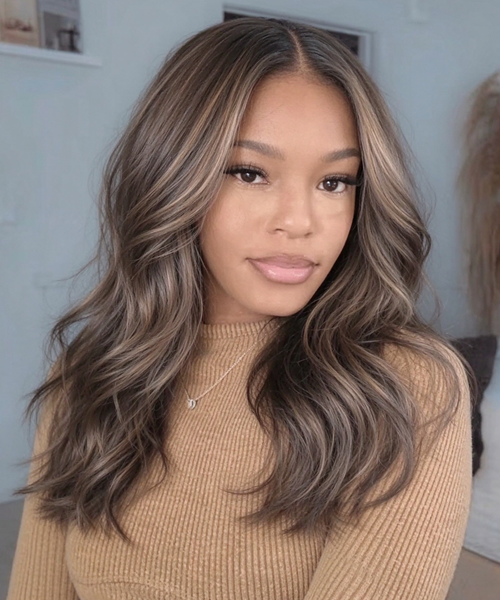
As one of the highlight methods in hairstyles, babylight is more ultra-fine and delicate. It is designed to mimic the natural highlights of a child's hair.
📕 The Features of Babylights
Tiny section colored: It has more nuanced colors as it is required to be separated into tiny sections, and color each group of strands.
Left for an hour or longer: The babylight requires spending much longer to ensure the color gets a more radiant look.
Natural-looking highlights: The babylights offer the look of multidimensional, radiant.
📕 Right methods of Babylights:
Part the hair
Take super-thin hair strands.
Micro-weave the strands
Apply lightener and foil
Work back-to-back in the key zone
Tone and blend
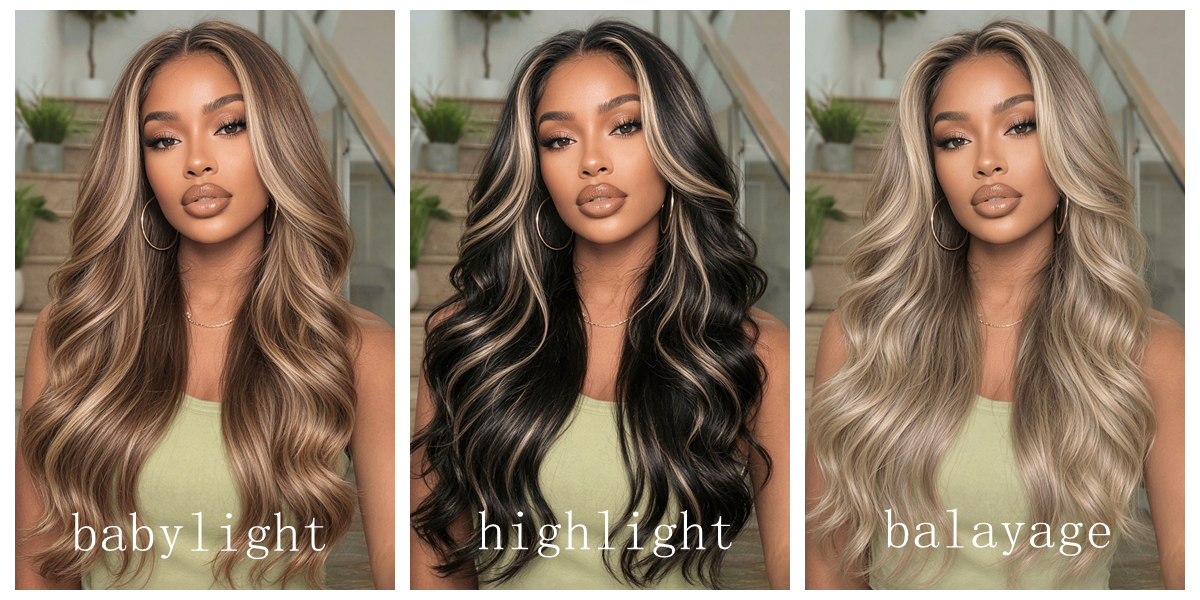
These methods require a professional and skilled stylist to achieve. And babylight also has some common variations, such as balayage, highlights, and below are the comparisons.
Babylights vs. Highlights vs. Balayage
| Feature | Babylights | Traditional Highlights | Balayage |
|---|---|---|---|
| Hair Sections | Very fine sections | Medium to larger sections | Selected sections, painted by hand |
| Application | Usually foil | Usually foil | Usually freehand |
| Appearance | Soft and subtle | More noticeable contrast | Soft, sweeping dimension |
| Color Placement | Can be placed throughout the hair | Can be placed throughout the hair | Often concentrated through mid-lengths and ends |
| Root Appearance | Can be blended | Depends on placement | Usually softer root transition |
| Maintenance | Depends on contrast and root growth | Depends on contrast and root growth | Often more flexible |
The core difference of them lies in the highlighting technique and the way the colors are distributed.
If you love a softer, finer, more natural transition without harsh lines from the root, the babylights is more suitable.
If you love a higher-contrast, brighter effect, the traditional highlights is better.
And the balayage focuses on framing the face and concentrates, creating soft and less-harsh lines.
Are Babylight Suitable for You?
Does Babylon Light create distinct, blocky patches of colors?
No, the babylights create a fine, soft, and multi-layered highlight. The babylights hair create a natural play of light and shadow when out in the sun, rather than stark, jarring streaks of blonde.
Do babylights look good on dark or naturally black hair?
The babylight can add some subtle brown while maintaining the overall look of natural hair. For natural black or dark hair color, the babylights require a certain degree. These colors are more suitable, such as chocolate brown, caramel, honey blonde, and chestnut.
Naturally black or dark brown hair requires a certain degree of lightening to achieve light brown, caramel, or blonde tones.
Do Babylights require highlights repeatedly?
No, babylight is suitable for someone who prefers a soft transition at the roots, without the need for excessive bleaching.
Are babylights pretty for your age?
Babylight are pretty for different ages; for girls, it adds the sun-kissed appearance on your hair. For women, it is useful to create a face-framing effect. And for Mom or someone who has gray hair, the babylights are useful to hide the white hair.
Does Babylights Damage Your Natural Hair?
“Bleaching healthy virgin hair is not damaging if it's done correctly and usually by a professional. So if you want highlights, go to a reputable salon. What damages healthy virgin hair is double processing with bleach or leaving it on way longer then it should be used . Turns the hair to bubble gum. When wet it literally stretches apart like gum . That's over processed fried bleach damaged hair. You can also damaged hair like this with over processing with color dyes . It's important to know the volume of developer and box dyes don't tell you that.
What's damaging is coloring or bleaching already chemical treated hair.”
And these words are from the professional stylish which worked more than 10 years.
In fact, the damage to hair may come from overbleaching, coloring, the wrong process, or worse, natural hair quality. For instance, if your natural hair is not bad, which is dry and broken, the babylights may make this situation worse. And these are the situations that may appear:
Dryness: Bleaching can make hair drier and more porous
Breakage: Overprocessing can weaken the hair shaft
Curl pattern changes: Chemical processing can reduce curl elasticity and definition.
Uneven color: Different hair histories and processing conditions can cause uneven results
How to Get Babylight Without Damage Your Natural Hair?
To get this pretty styles without influencing your natural hair, these are some methods may helps.
📕Find a Colorist Experienced with Curly and Textured Hair
A colorist experienced can assess your natural hair, perform a strand test, and opt for a gradual lightening process.
📕Avoid Overlapping Bleach
Try to avoid applying bleach to areas that have already been lightened. As noted in a relevant discussion on Reddit:
While "virgin hair" (untreated hair) is a better starting point, it is still susceptible to damage from bleaching. Proper technique, the right product selection, and the expertise of your colorist remain crucial.
📕Consider Wigs with "Babylights"
If you don’t desire to damage your natural hair or try the color may not suitable for yourself, the wig of babylight are a wise choice.
You can try the different colors of babylight without damage your natural hair, also, the wigs may more affordable than you create the babylight in salon.