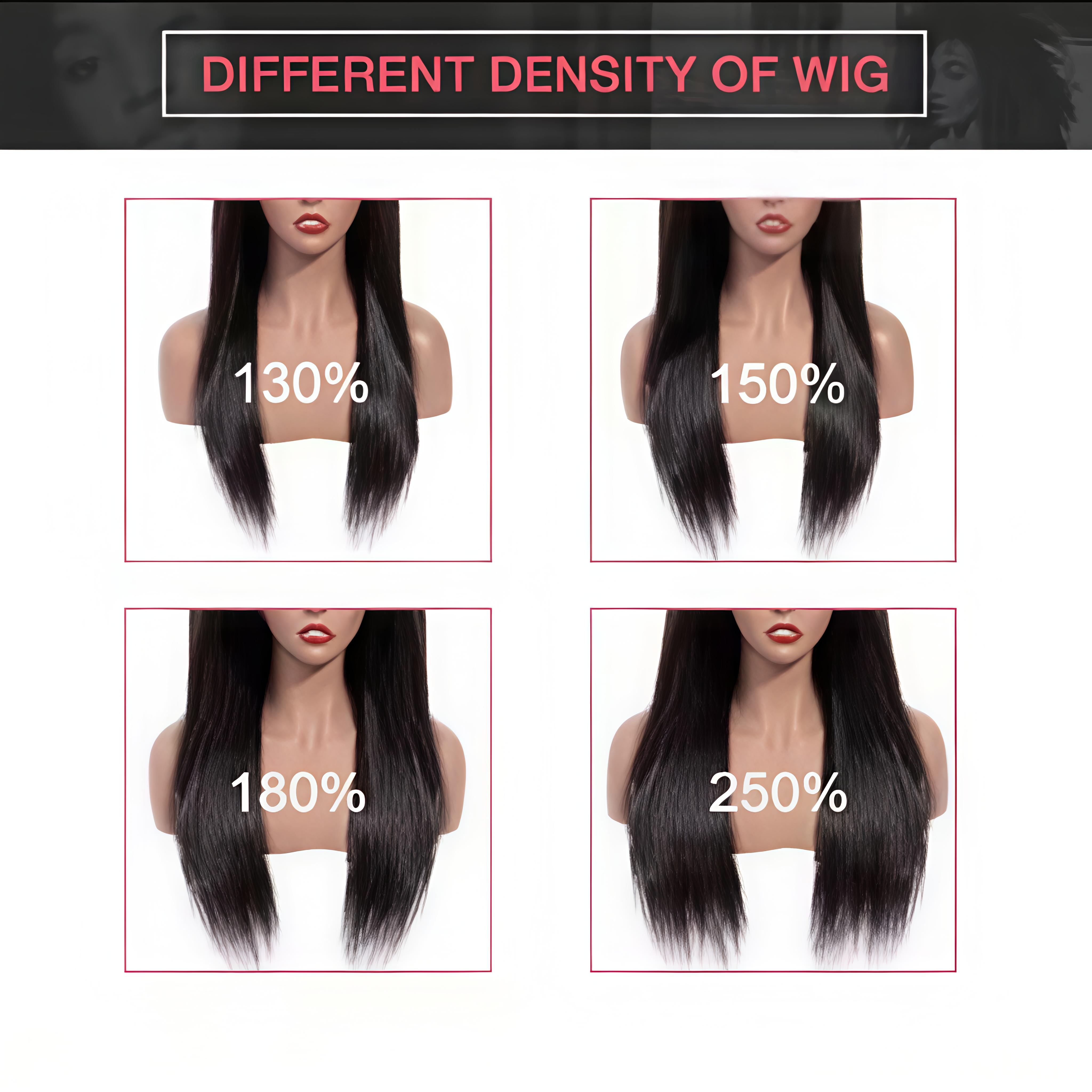
Many users focus primarily on color and style when purchasing, but density is a core factor that influences the overall outcome. Based on extensive user feedback and our internal testing, choosing the wrong density is a leading cause of wigs being underutilized or causing discomfort. The right density doesn't just make you look good; it allows you to feel good, often to the point where you forget you're wearing it.
What Does Density Mean in Wigs?
As wig manufacturers, we engage with countless questions about "density" daily. In simple terms, wig density refers to the amount of hair attached to the cap in a given area. It is a crucial specification that directly dictates the wig's volume, weight, styling potential, and, most importantly, your comfort and experience.
Density primarily impacts:
Visual Effect: Will it look naturally thin or voluminously full?
Physical Weight: This directly correlates to long-term comfort. Excessive weight can lead to scalp strain and headaches.
Breathability: Especially in summer or warm environments, higher density wigs can feel noticeably hotter and less airy.
Manageability: Higher density requires more time and effort for washing, detangling, and drying.
Understanding Density Percentages: A Manufacturer's Guide
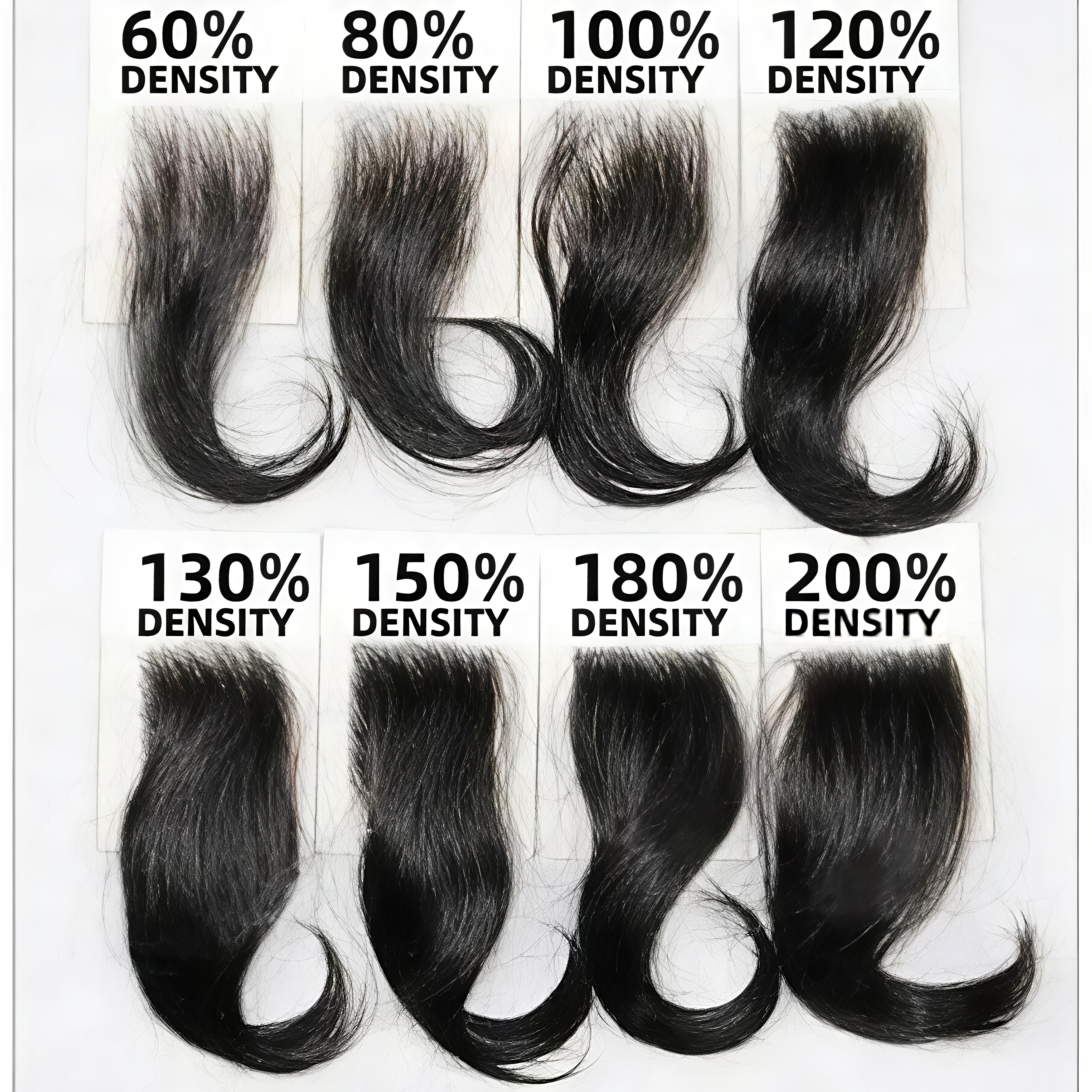
The density percentage is a measure against what is considered a natural, average head of hair (roughly 100%-120%). Here's a breakdown of the most common densities we produce and their real-world applications.
Is 130 Density Good For A Wig?
130% Density: The Natural Choice
This density closely mimics a natural, healthy head of hair. It's lightweight, incredibly realistic, and our top recommendation for effortless daily wear and first-time buyers.
User Feedback: Our data shows this is a top choice for everyday wear. It's perfect for work, school, and running errands. Users love it because it offers a "glow-up" without screaming "wig."
Is 150 Density Good For A Wig?
150% Density: The Popular, Voluminous Look
Offering a clear step up in fullness, 150% density delivers a luxurious, "Full Glam" everyday look. It's perfect for creating body and bounce in both straight and curly styles without being overwhelming.
User Feedback: Popular among users who want to make a statement in their daily lives, for photos, or for video calls. It provides ample hair for most hairstyles without being overwhelming.
Is 180 Density Good For A Wig?
180% Density: The Full & Dramatic Effect
Ideal for longer styles (20 inches and above), 180% density creates a full-bodied, charming silhouette. It's a favorite for special events, photoshoots, or anyone seeking a bold, fashion-forward statement, though it may feel warm for constant daily use.
User Feedback: Often chosen for parties, events, photoshoots, and by content creators. Users report that it looks incredible on camera but can feel a bit heavy for all-day, everyday use.
Is 200 Density Good For A Wig?
200% Density: The Ultra-Glamorous
This density provides even fuller ends for a delicate shape. It delivers an "instagrammable," red-carpet level of volume. Best for shorter-term wear, it is heavier and recommended for those experienced with high-density wigs.
User Feedback: Users who choose this love the ultra-glamorous, larger-than-life hair effect. The common feedback is that it's heavy and can be challenging to manage for daily wear.
What is a 250 Density Wig?
250% Density: The Maximum Impact
Reserved for celebrity-inspired looks, cosplay, or stage performances, 250% density creates extreme, fantasy-level volume. It is a specialty item for dramatic effect, not intended for practical, daily wear due to its significant weight.
User Feedback: Almost exclusively used for cosplay, stage performances, or specific artistic photoshoots. Users acknowledge that it is not intended for daily, practical use due to its significant weight and heat.
What is Low Density and High Density Wig?
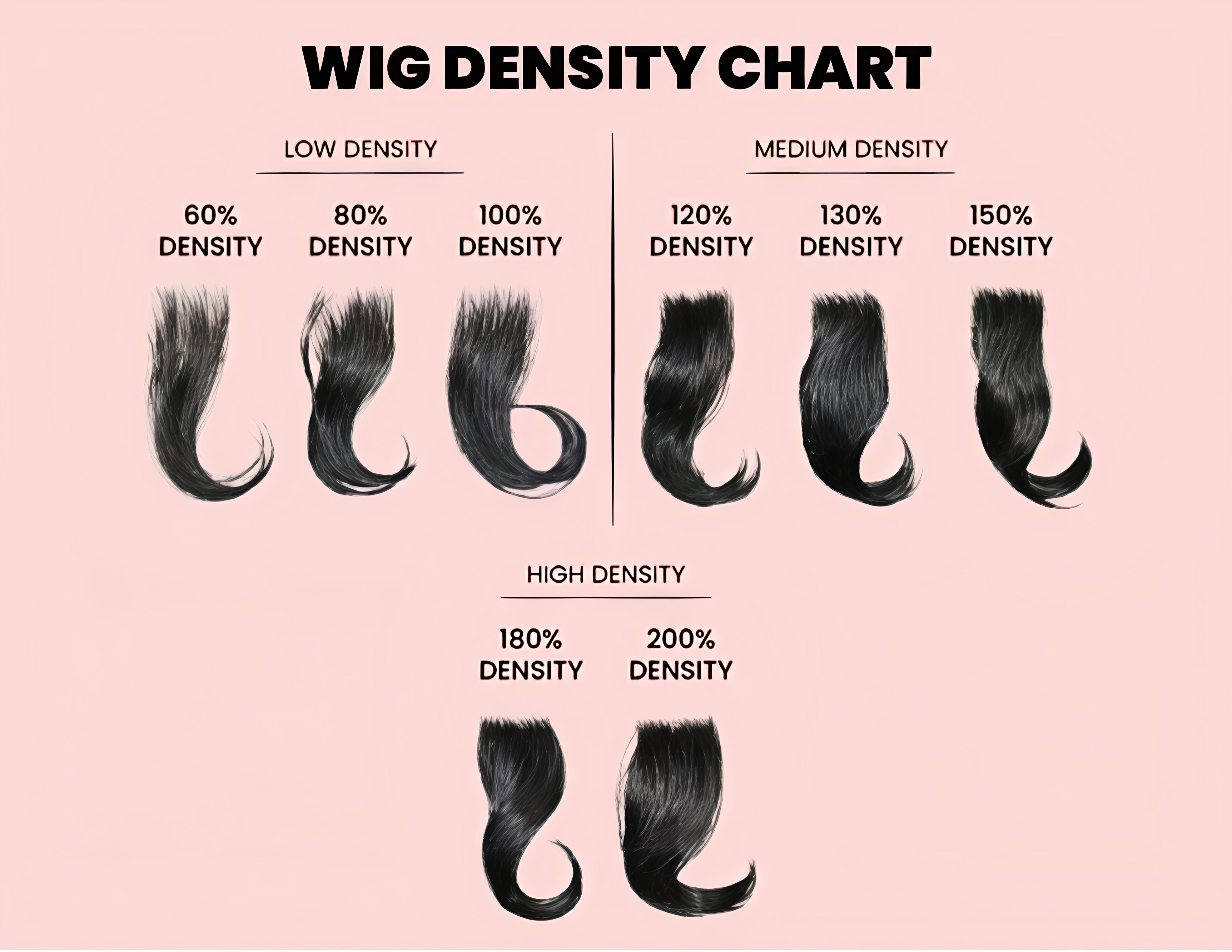
To simplify the selection process, we categorize wigs into two broad spectrums: Low Density and High Density. Your choice should align with your lifestyle, desired look, and comfort needs.
Here is a quick-reference table based on our production standards and user experiences:
|
Density Percentage |
Common Terminology |
Visual Effect |
Ideal For & Occasions |
Pros & Cons |
|
80% - 120% |
Low Density / Natural Thin |
Light, natural, thinner-looking hair. |
Those seeking utmost realism, mature users, or individuals with very fine natural hair. |
Pro: Extremely light, breathable, and undetectable. |
|
130% - 150% |
Medium Density / Natural Full |
Healthy, naturally full and voluminous hair. |
The everyday universal choice. Perfect for work, school, shopping. |
Pro: Perfect balance of natural look and volume; high comfort. |
|
150% - 180% |
High Density / Fashion Volume |
Noticeably thick, glamorous, and stylish. |
Parties, photos, live streaming, and anyone wanting a bold, fashionable look. |
Pro: Photogenic, great for styles, very(full). |
|
200%+ |
Very High / Theatrical Density |
Extremely thick, dramatic, and eye-catching. |
Stage performance, COSPLAY, specific artistic looks. |
Pro: Strong visual impact. |
How to Choose: A Final Word from the Manufacturer
For short wigs (12"-16"), a density of 130%-180% is recommended for a fresh, non-bulky look.
For medium-length wigs (18"-22"), a density of 180%-200% is suggested to add fluffiness to the longer style.
For long wigs (24"-30"), a 250% density is ideal to ensure full, overall volume.