






This afternoon, as Naomi Osaka steps onto Stadium 2 at the Indian Wells Tennis Garden to face Camila Osorio, tennis fans around the world will not only be watching a highly anticipated rematch—they will also naturally turn their eyes to her wig style.
According to a recent match preview, Osaka is returning from an abdominal strain that cut short her Australian Open campaign, seeking redemption on the same desert court where Osorio stunned her in straight sets just last year. But whenever she enters the arena, everything about her—from her powerful serve to her ever‑changing hairstyles—becomes a talking point. Fans searching for match predictions are equally curious about her look today: She is known to wear wigs on court, so will today's wig feature her signature sleek pink straight hair, or braids that pay homage to cultural traditions?
This moment, set against the backdrop of a crucial 2026 Indian Wells battle, once again places Osaka under the spotlight. It invites us to revisit how she uses her hair—a unique medium at the intersection of sports, fashion, and cultural identity—to make her own powerful statement.
Signature Hairstyles in Major Tournaments
French Open: The Significance of Protective Styles
At the 2021 French Open, Naomi Osaka debuted an intricately braided protective hairstyle. Users searching for "naomi osaka hair french open" discover that this was far more than a fashion statement.
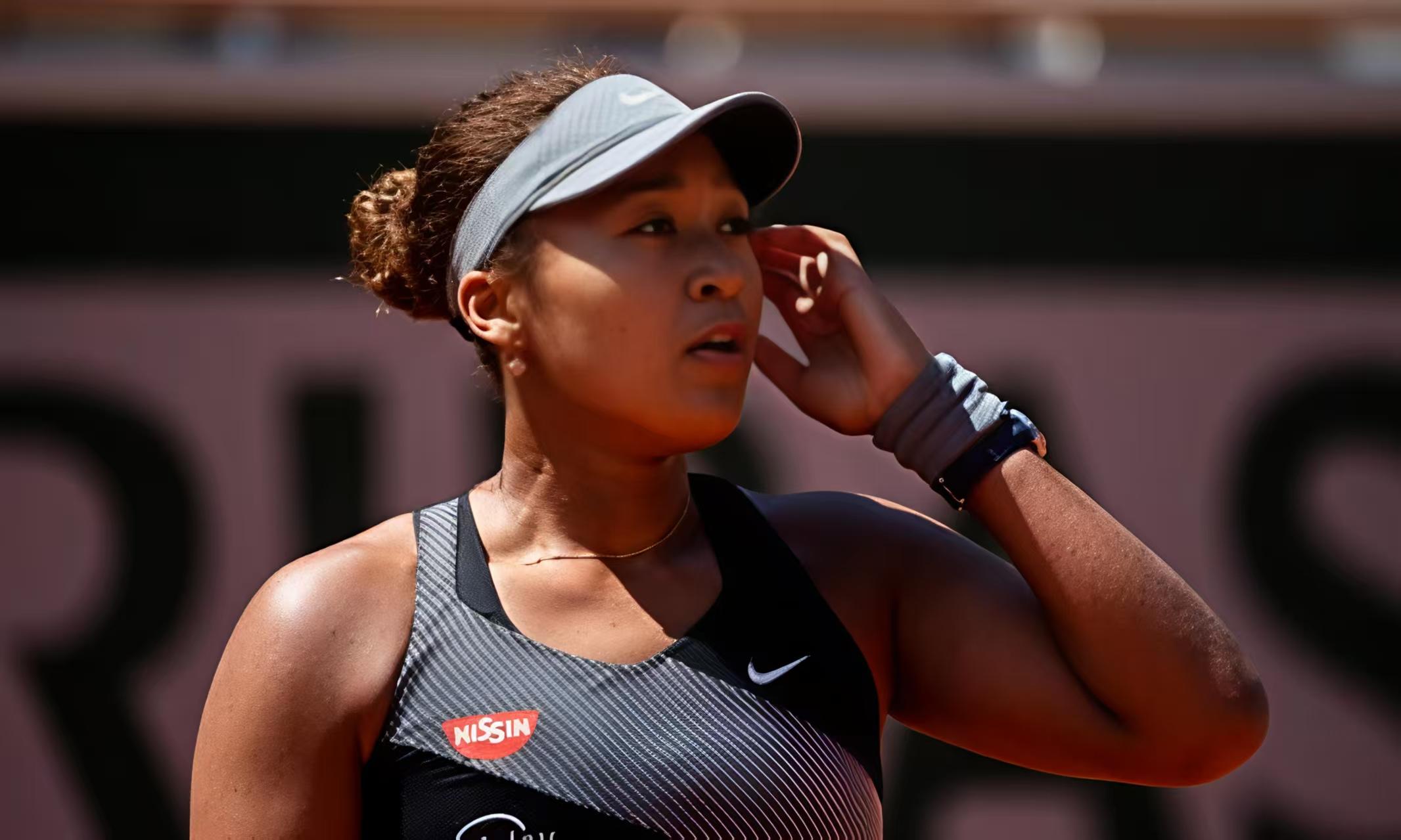
For many Black women, braids and other "protective styles" are not just beautiful—they are essential for maintaining natural hair health, protecting it from the damage of frequent styling. By choosing to showcase this hairstyle at a major tournament, Osaka inadvertently transformed the tennis court—long considered the domain of a "white sport"—into a platform for cultural expression.
This choice coincided with the controversy surrounding her withdrawal from the French Open due to mental health concerns. Her hairstyle was interpreted by some as an assertion of identity: even in the eye of a storm, she remained true to herself.
US Open: Bold Looks That Echo Powerful Performances
At the 2020 US Open, Osaka wore seven different masks onto the court to advocate for racial justice. Simultaneously,naomi osaka hair us open became a topic of conversation.
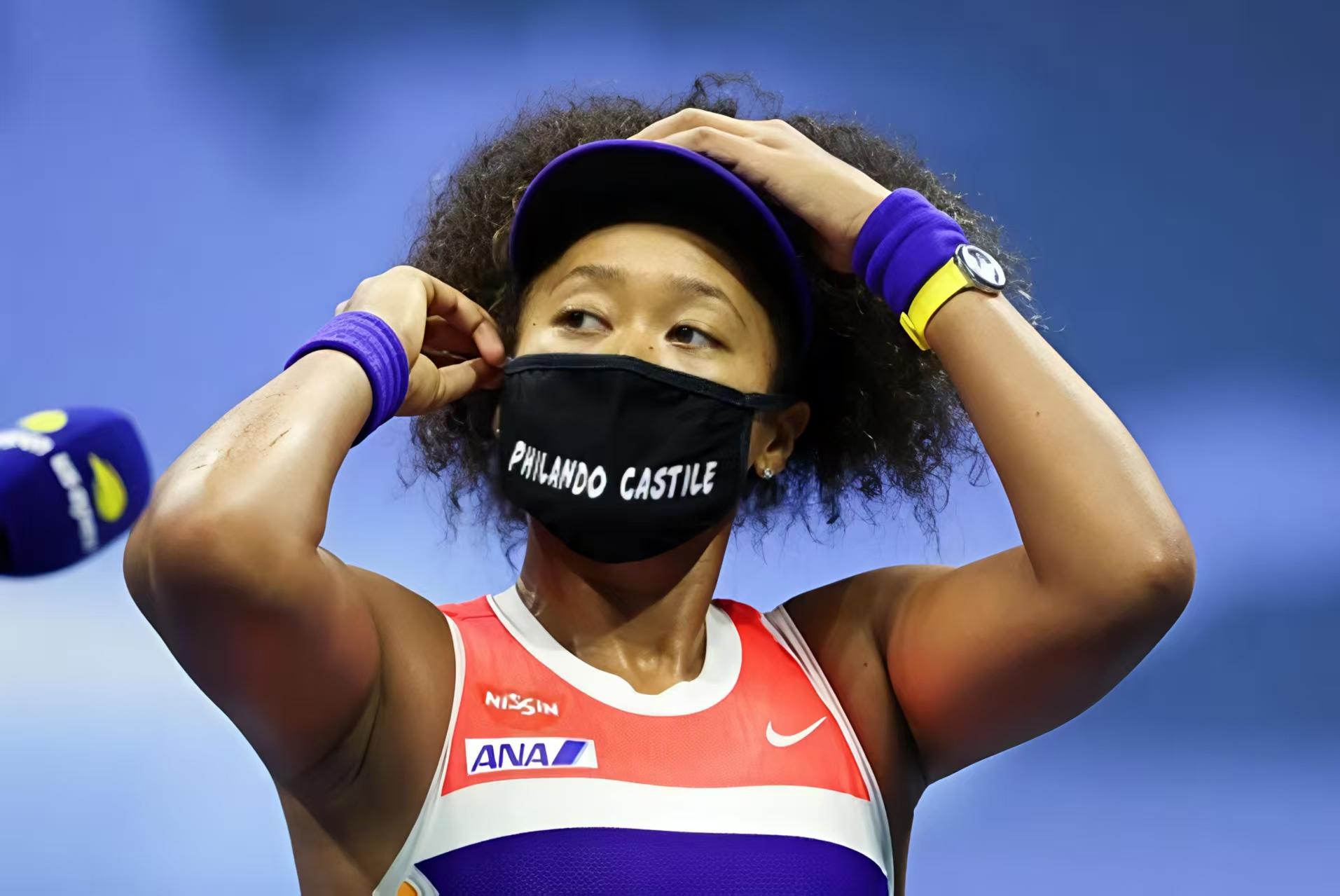
Those following her hair at the US Open will find she experimented with various looks during her championship run: from simple low ponytails to voluminous curly styles. These hairstyles echoed her powerful performances on the court—with every swing, every strand seemed to speak of her confidence and strength.
Notably, she chose to wear masks bearing the names of victims of racial injustice during her victory, with her hairstyle serving as the backdrop for this powerful social statement. Here, hair was no longer an isolated aesthetic element but an integral part of her overall expression.
Met Gala: A Crossover from Court to Red Carpet
When Osaka transitioned from the tennis court to the Met Gala red carpet, her Met Gala hair choices took on a new dimension.
Observers of her Met Gala appearances discover that she is equally daring in fashion's highest hall. At the 2021 Met Gala, she debuted an elegant updo accented with oversized bows, extending her on-court boldness into the fashion world.
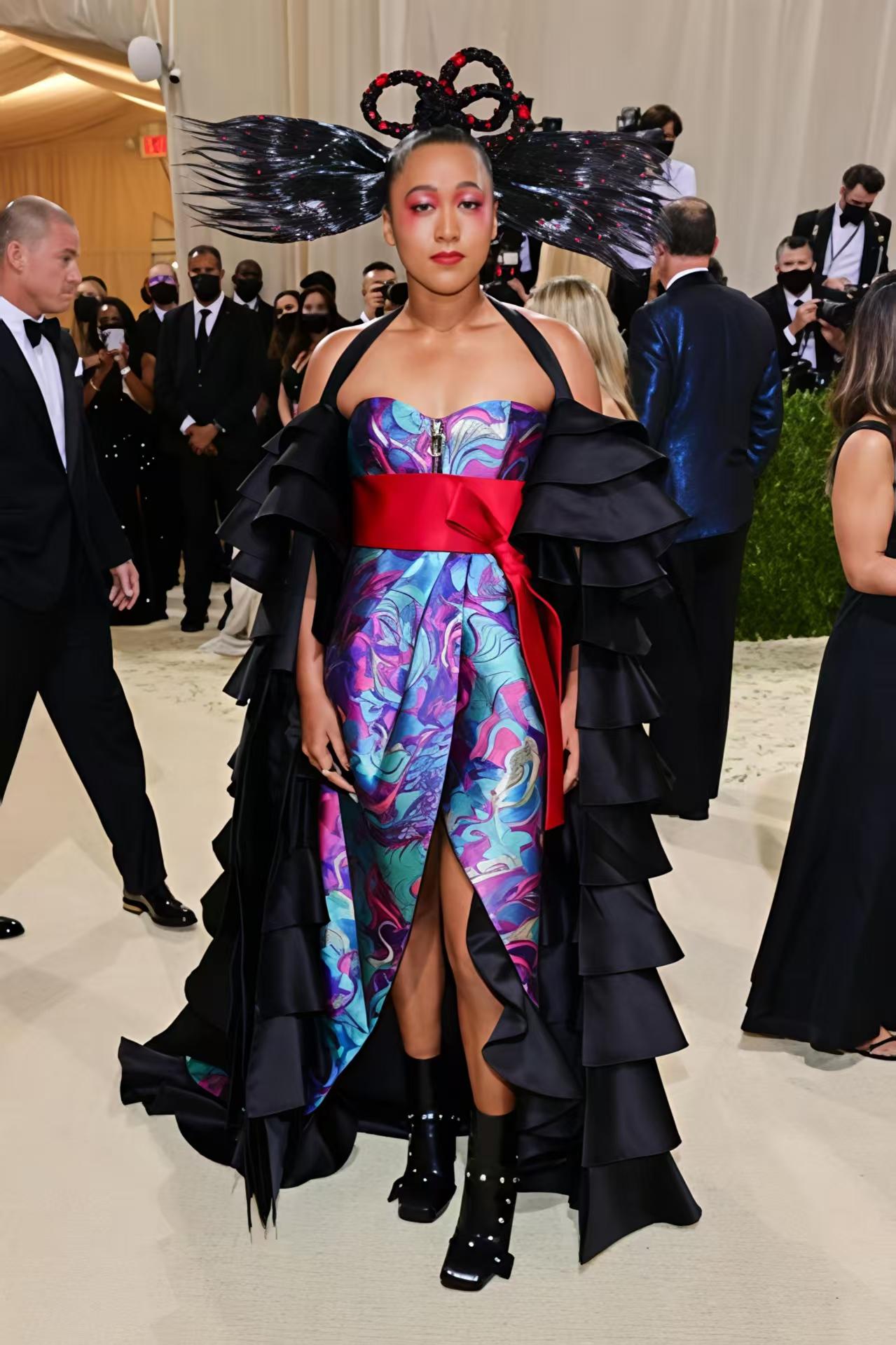
These red carpet moments prove that Osaka's hair choices have transcended her identity as an athlete, becoming a cross-cultural phenomenon. She is no longer just "the girl who plays tennis" but a cultural icon capable of leading conversations in the fashion world.
Hair Color as Expression: The Evolution of Pink Hair
If one color could define Naomi Osaka's hairstyle, it would undoubtedly be pink.
Observing her relationship with pink hair reveals an interesting pattern: her pink hair often appears during her peak competitive moments. Whether she's sporting pink locks or has been seen with pink hair on multiple occasions, there is a clear connection between this color and her performance.
Before the 2020 US Open, during the Cincinnati tournament, she first experimented with pink hair and subsequently dominated her matches. Fans began associating her pink hair with "champion mode." This connection is no coincidence—for Osaka, pink represents playfulness, rebellion, and individuality.
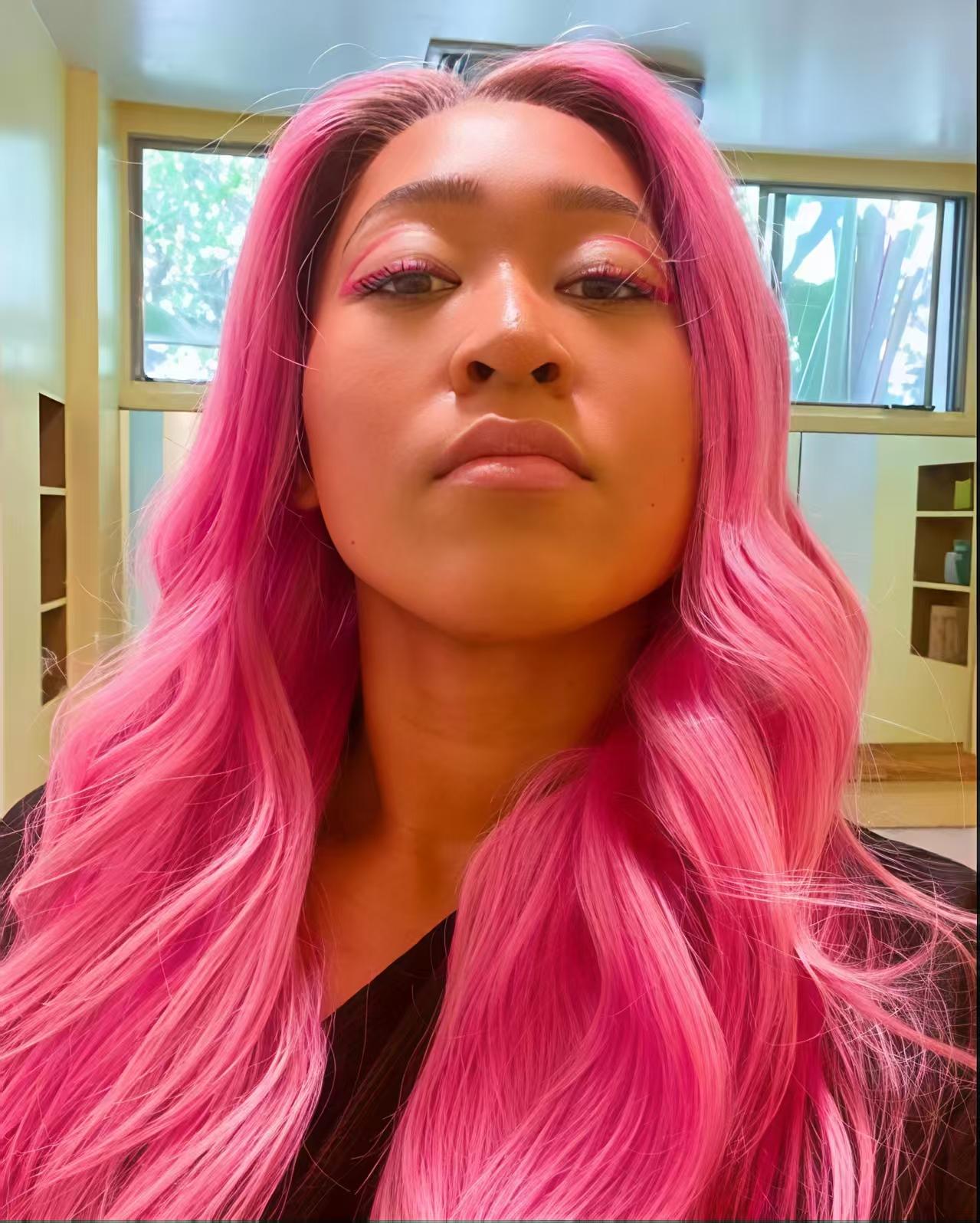
In interviews, she has mentioned that pink is her favorite color because it "makes people happy." In a sporting environment that emphasizes seriousness and focus, she chooses to break the monotony with pink, showing the world that athletes can be fun and colorful too.
More importantly, her choice of pink hair challenges the traditional aesthetic norms of tennis. As she swings her pink locks against the green grass of the All England Club, she's not just playing tennis; she's declaring that the court can accommodate many colors of hair, and the world outside can accommodate many forms of existence.
Hair Texture Diversity: Curly, Straight, and Natural
Naomi Osaka sometimes switches between curly hair and straight hair.As a woman of Haitian and Japanese descent, Osaka's natural hair texture falls somewhere between curly and straight. This unique texture grants her incredible styling flexibility: she can straighten it for sleek Japanese-inspired looks, maintain its natural waves, or use wigs to experiment with various bold styles.
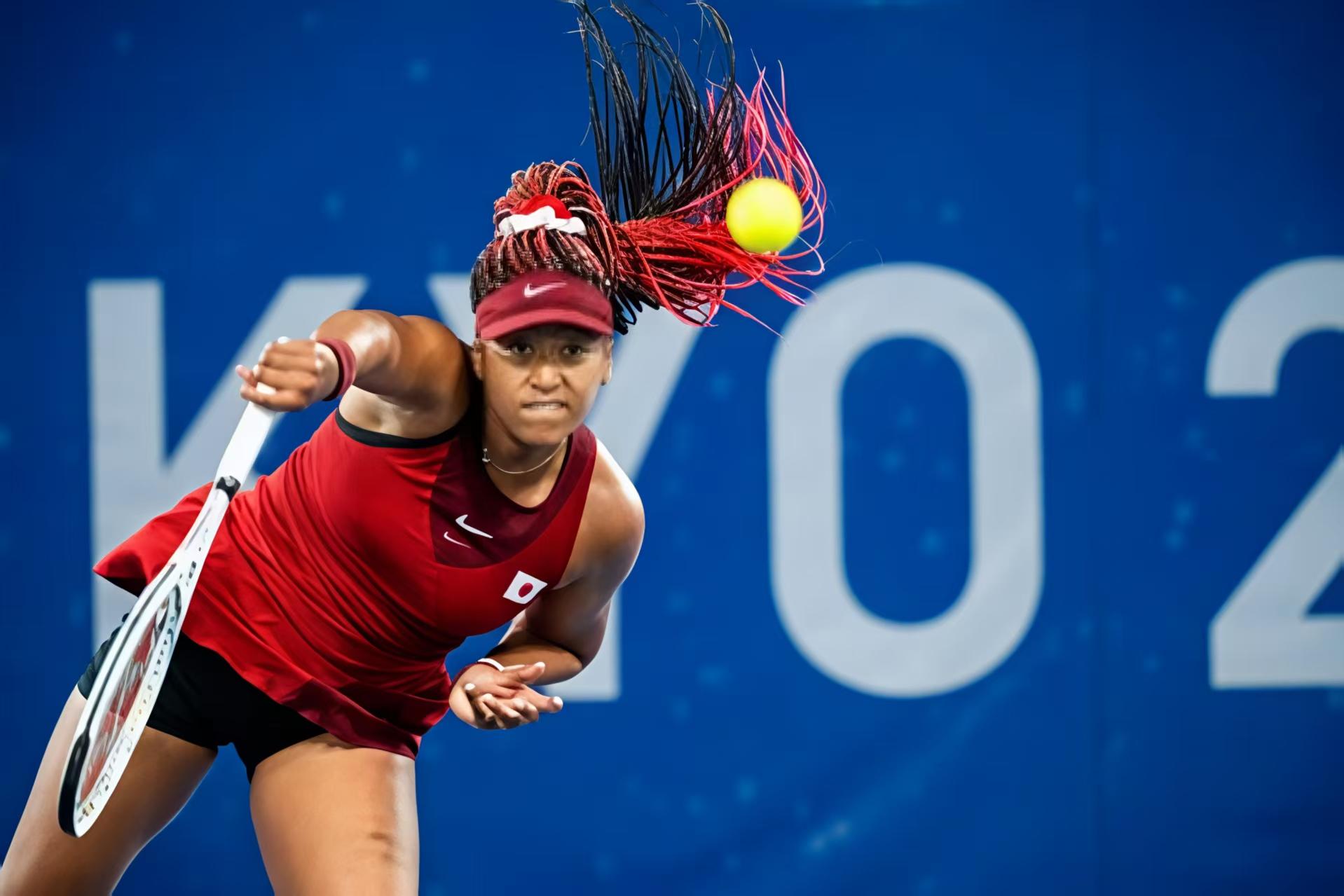
Many fans are curious about what lies beneath the wigs and styling. Although she rarely appears in public with completely unstyled hair, she has shared photos of her natural curls on social media, sparking discussions about public figures embracing their natural Black hair texture.
This discussion touches on a larger cultural issue: in a society where mainstream beauty standards still favor straight hair, how do women with natural curls or African-textured hair maintain authenticity in the public eye?
Osaka's approach offers a perspective: sometimes naomi osaka natural hair , sometimes she chooses styled looks, but she always remains true to her preferences. She has mentioned in interviews that she enjoys wigs because they allow her to "change styles quickly" without damaging her hair. This practical attitude offers many women a refreshing viewpoint: hair can be playful, not burdensome.
Cultural Significance: Hairstyles as Identity Markers
The discourse surrounding Naomi Osaka's hair transcends fashion because it touches upon the intersection of race, culture, and beauty standards in tennis.
Tennis has historically been perceived as a "white sport." From Wimbledon's all-white dress code to stereotypical expectations of athlete appearance, the sport's aesthetic standards have long been dominated by white middle-class norms. In this context, Osaka's hair choices carry profound cultural significance.
When she chooses braids, she connects with Black women's cultural traditions. When she opts for pink hair, she challenges the serious athlete stereotype. When she appears on Grand Slam podiums as a mixed-race woman, her entire image—including her hair—redefines "what a tennis player should look like."
Among those following these topics, many are Black and mixed-race women who see themselves reflected in Osaka's hair choices and find validation. One fan wrote on social media: "Seeing Naomi win Grand Slams with braids makes me feel like I can do anything too."
This resonance is the true cultural significance of Naomi Osaka's hair. It's no longer just a celebrity's appearance choice but a symbol of identity affirmation—an encouragement that "you can be yourself."
Real-Time Curiosity: What's Her Hair Like Today?
Osaka's frequent hair transformations ensure that fans remain consistently curious about her current hair and any new hair styles she debuts.This is her hairstyle at the recent Indian Wells Open 2026.
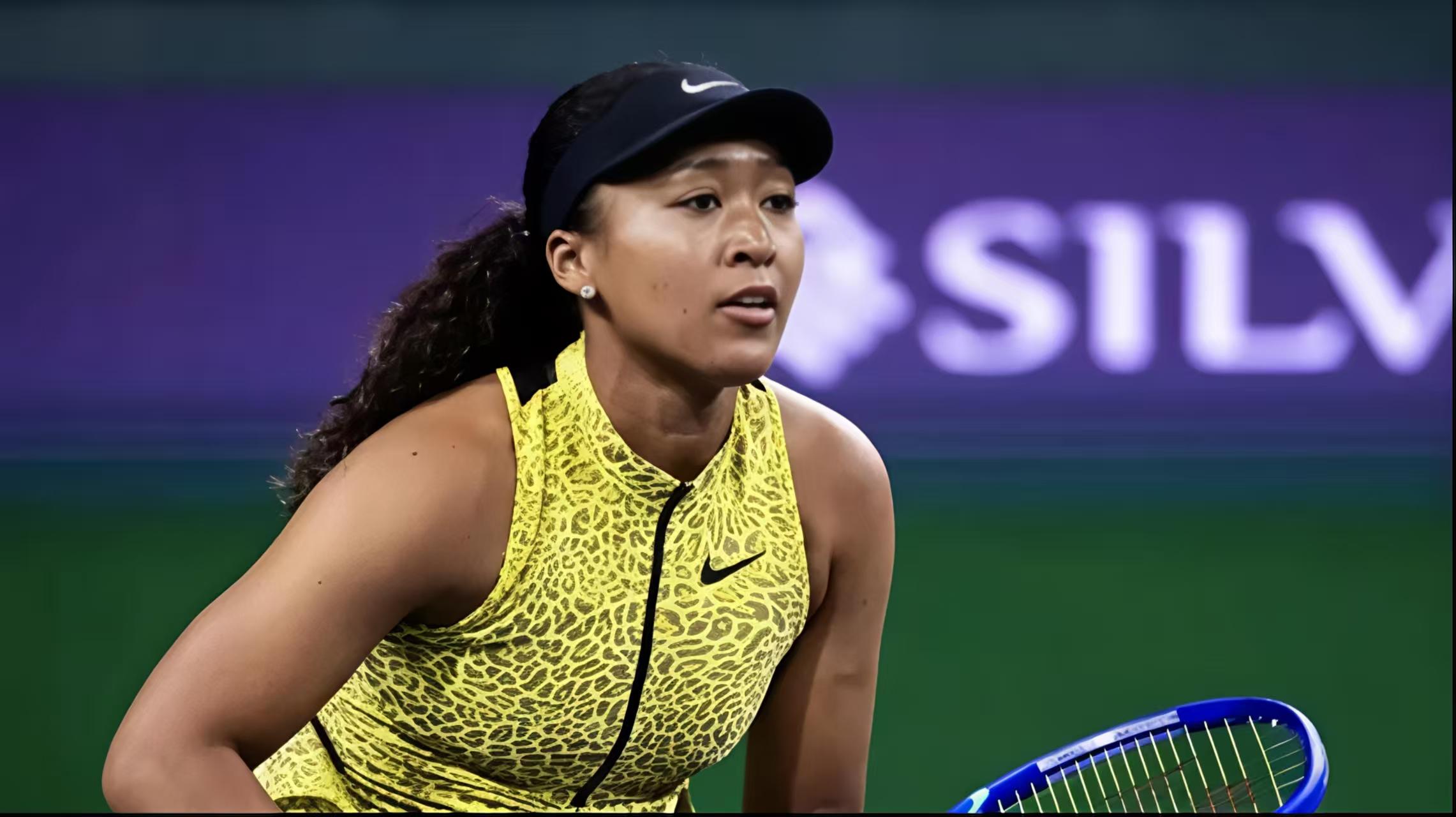
Social media amplifies this fascination. With millions of followers on Instagram, every photo Osaka posts sparks lively commentary. When she experiments with new hairstyles, fans quickly screenshot, discuss, and imitate, creating waves of viral engagement.
Interestingly, her hairstyle changes often correlate subtly with life events or tournament schedules. During Grand Slam finals, she tends toward simpler, more practical styles. During off-seasons or commercial activities, she experiments with bolder, more dramatic looks. This connection keeps fans engaged in decoding the "subtext" behind her hair choices.
Conclusion: Hair as Declaration
Let's return to the original question: Is Naomi Osaka's hair real?
Yes, Naomi Osaka does wear wigs. And honestly, that kinda proves the point—she’s not here to fit into anyone's narrow idea of what a celebrity or a woman should look like. Whether she's switching up her style, protecting her hair, or just going for a certain vibe, the real message is: it's her choice. She doesn't need anyone else to define her, and she gets to decide what being real even means.
From French Open braids to US Open pink, from Met Gala updos to everyday curls, Naomi Osaka tells her story through her hair. She challenges conventions, expresses herself—her hair reminds us that in a world still trying to define "what you should look like," choosing "what I want to look like" is itself a declaration.
Next time you notice her latest hair transformation, consider the deeper question: What message might this change carry? What will her next hairstyle be? And what will it tell us about her, about us, and about our times?
In this sense, hair is never just hair. It is identity, culture, and power—an open letter from Naomi Osaka to the world.