





Wearing a wig has always been a great choice for us to change our hairstyle, but there are also many troubles that come with wearing a wig. Today, we will help you solve a pain point problem: how to safely remove a wig without harming your scalp and hair. Let's learn together!
How To Remove Glue From Lace Wig Without Alcohol?
Alcohol is a good way to remove wig gel, but we do not recommend long-term use as it is corrosive and can damage lace. Therefore, I recommend some methods that do not use alcohol.
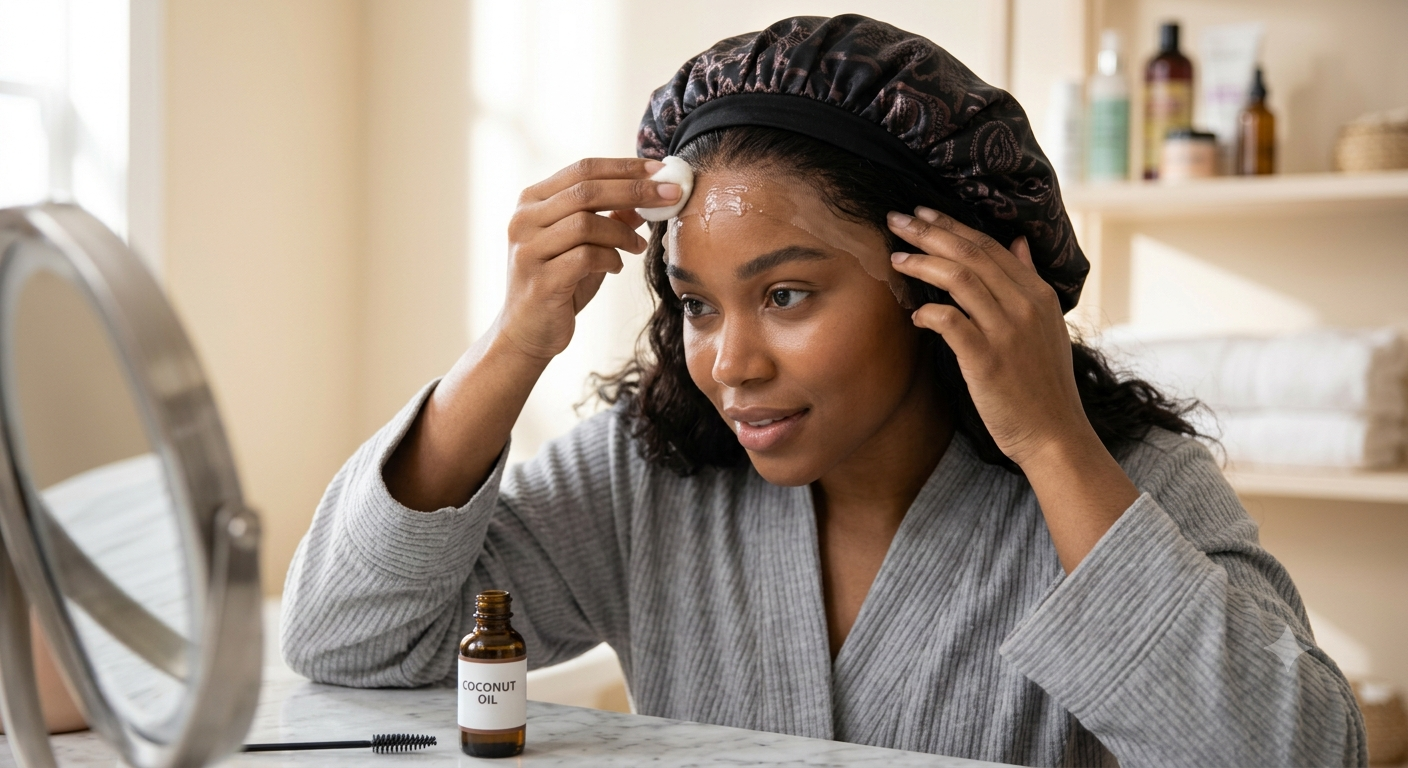
You can use some coconut oil, olive oil, or baby oil. These oily solvents will not damage the wig. First, you need to apply oil to the connection between the lace edge and the glue, and then let it sit for about 5-10 minutes. Then, use a brush to gently brush the lace edge with the glue, being careful not to drag it too hard. For areas that are difficult to remove, you can apply some oil and let it sit for a while So you can take off your wig.
Why Is My Wig Glue Still Sticky?
Have you learned how to remove wigs? Do you have any new problems? Every time the wig glue is removed, it always feels sticky. This situation is usually caused by the following reasons:
1. The wig glue is too thick: the inside of the glue is still wet, the outside is already dry, and the moisture cannot evaporate (applying a small amount multiple times can solve this problem)
2. Wearing a wig too early: You need to wait until the glue is transparent and sticky before pressing on the lace mesh. If you press too early, the glue will solidify into a block, which will also become sticky
3. Failure to do skin cleansing: There are residual cosmetics or sweat on the skin, which affects the normal adhesion of taxes
4. If the weather is too hot or you sweat too much, sweat and glue will fuse together, and glue will stick
Can Wigs Cause Cancer?
Generally speaking, real human hair wigs undergo strict disinfection, production, and hygiene treatment before being produced for people to use while ensuring safety So wigs themselves are not carcinogenic If you say there is a safety issue with wigs, it is usually formaldehyde in the glue. Some bad wig glue can cause skin allergies or hair loss in mild cases, and can lead to cancer in severe cases. Therefore, you need to regularly disinfect your fake and clean your wig. If you do not know the steps, you can click here to learn how to clean your wig.
Do Wigs Help Your Hair Grow?
Wigs can help promote hair growth in certain situations, as wigs themselves protect your hair. However, it is important to take good care of your scalp
1. Wigs can help you block damage to your hair from UV rays or cold air Banhu hair is not affected by dry splitting
Wearing a wig allows you to change colors and hairstyles at any time, reducing the hassle of styling your hair and indirectly helping with its growth
Tired Of The Sticky Mess? Switch To Glueless Wigs For Ultimate Scalp Health
Beautyforever glueless human hair wigs collection is curated to give you a flawless look without the need for adhesive.
Quick and easy installation
You can easily put on and take off the non adhesive wig, which is very suitable for beginners. No need for wig installation experience, saving a lot of time and money for wig installation.
Not using glue
No need to install glue, no need to worry about skin allergies, no edge damage. You can take off your wig at any time to make your natural hair and scalp more breathable and comfortable.
Protective style
For the above reasons, non adhesive wigs are a protective style. Avoid exposing your natural hair to the scorching sun. Prevent heat setting from damaging your natural hair. Beneficial for the natural growth and shine of hair. Avoid skin allergies and adhesive damage to the edges during installation, and choose a more breathable and comfortable wig for wearing.

Recommendation For Glueless Human Hair Wigs